
Muses in marinas
What a gal from America's landlocked prairie thinks about in a Portuguese ocean town.

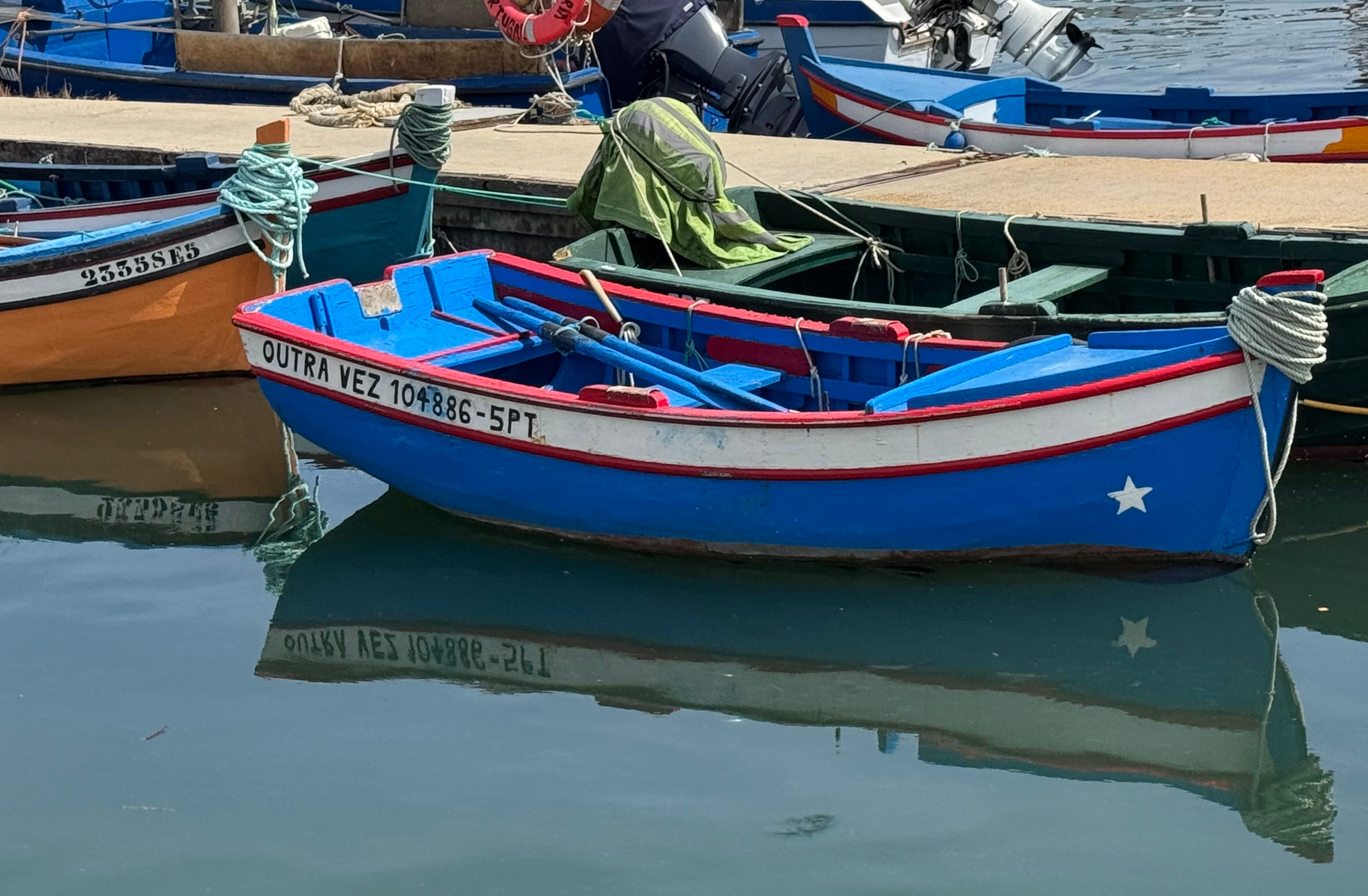
A skiff I sometimes see in one of Setúbal’s marinas has a name I love: Outra Vez. For such an unpretentious boat, the name carries almost mystical meaning. In Portuguese, “outra vez” means “again,” though I tend to read the phrase more literally: “another turn,” as in “another try.”
My immediate and frequent need for the phrase is in conversation: asking a Portuguese person to repeat what they’ve just said. Outra vez faz favor. Again please.
But when I see the Outra Vez floating peacefully in the marina, I think: that boat name is the essence of life. I’ve never seen anyone around the Outra Vez, so I’ve had no one to ask what inspired its name. (And I likely wouldn’t be able to understand the explanation anyway.) But it’s clearly a practical boat. It makes no effort for comfort. It moves only when the rower puts in the work. As someone who is just starting to build a new reality in a new country, “again” and “another turn” describe not only my existential state but also the continual effort it takes to get things right.
A gal could spend her time in far less productive ways than contemplating boat names. Especially when she’s always dreamed of living near the ocean and now does.
I used to have a boat but I never bothered to name it. The Sunfish I bought as a 40th birthday present to myself and spent the next 22 years sailing on a reservoir in the exact middle of the United States, as far from either ocean as was geographically possible, was one of the first things to go when my wife and I started getting rid of stuff to move to Portugal. Midwestern lakes are crowded with loud enormous motor boats, driven and named by men who are clearly overcompensating.
Free of all that now, I can simply entertain and intrigue myself with Portuguese boat names.
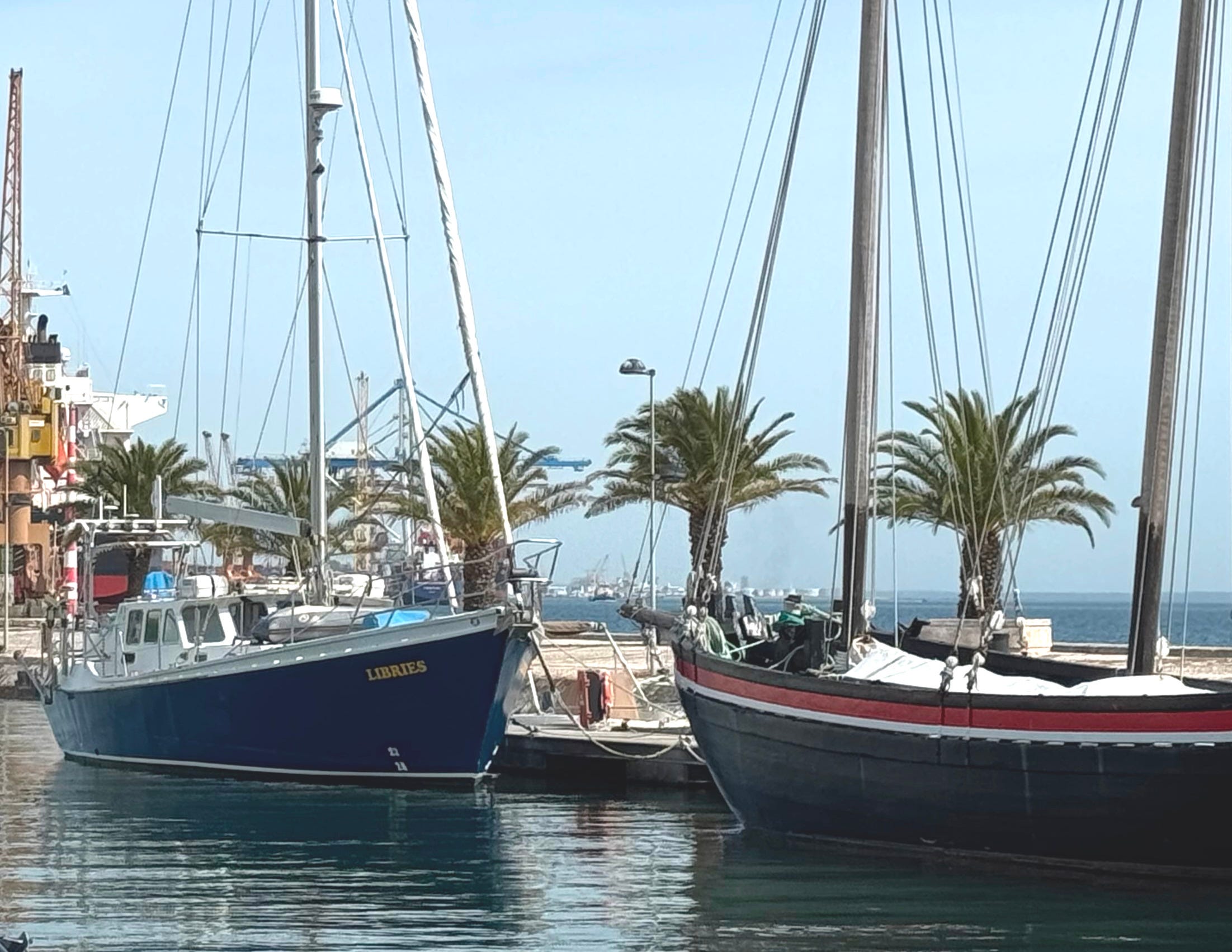
Setúbal is a an industrial city, where the Sado River empties into the Atlantic Ocean. The river is busy with massive cargo ships arriving from all over the world for loading and unloading at ports and factories upriver to the east.
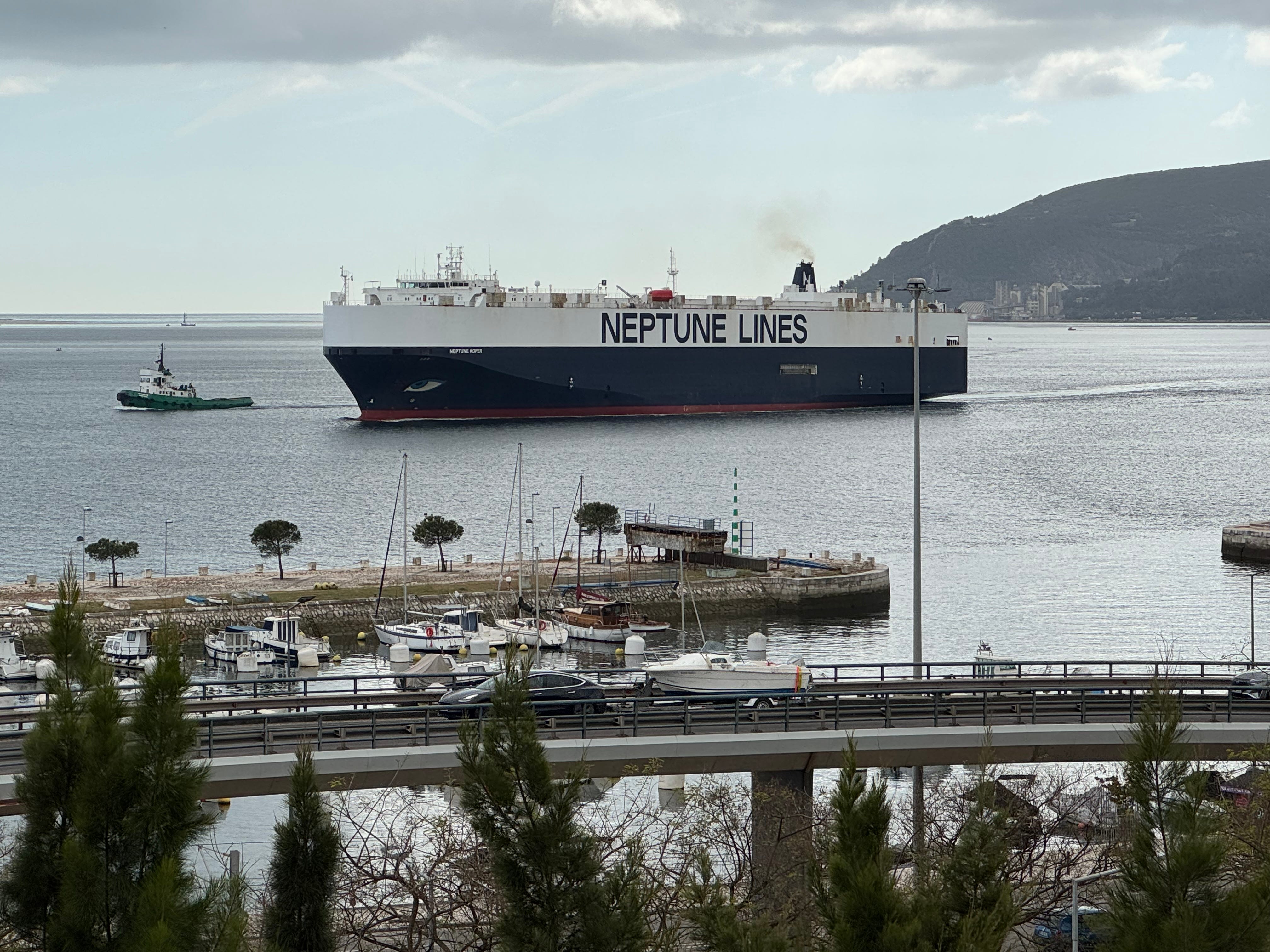
In the central part of town, local marinas share waterfront space with promenades and parks before giving way to beaches farther west.
The marinas are places of business; entrance to some requires keys I don’t have. So, from a nearby sidewalk or bench, I’ll just watch a gallery of vessels bobbing and swaying in the sunlight as seagulls attend to needs much more urgent than mine.
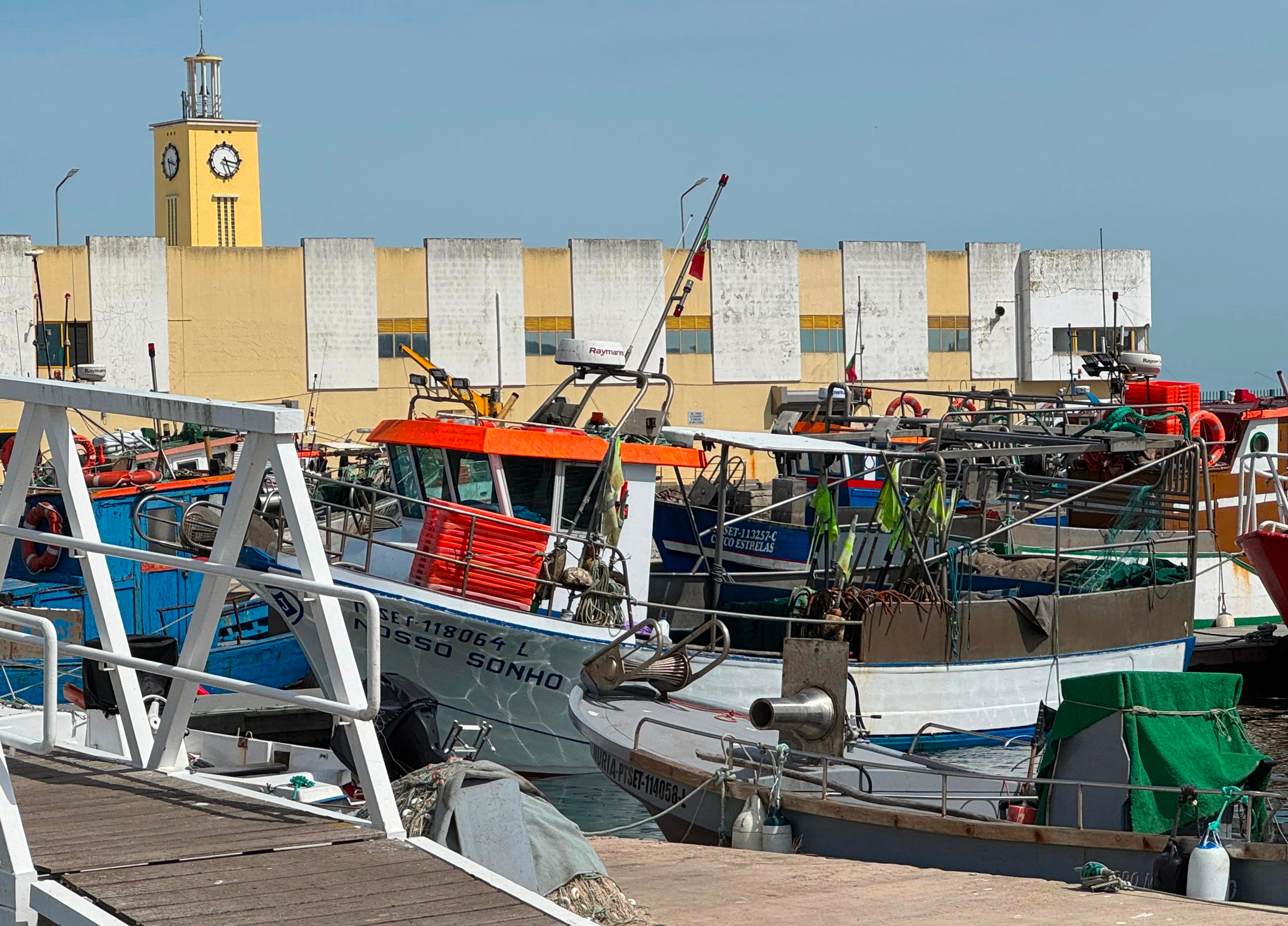
That was how I spotted the Nosso Sonho. It’s a fishing boat, with a tiny orange-roofed cabin, and chains and nets and other equipment for a profession I know nothing about. All I know is nosso sonho means “our dream.”
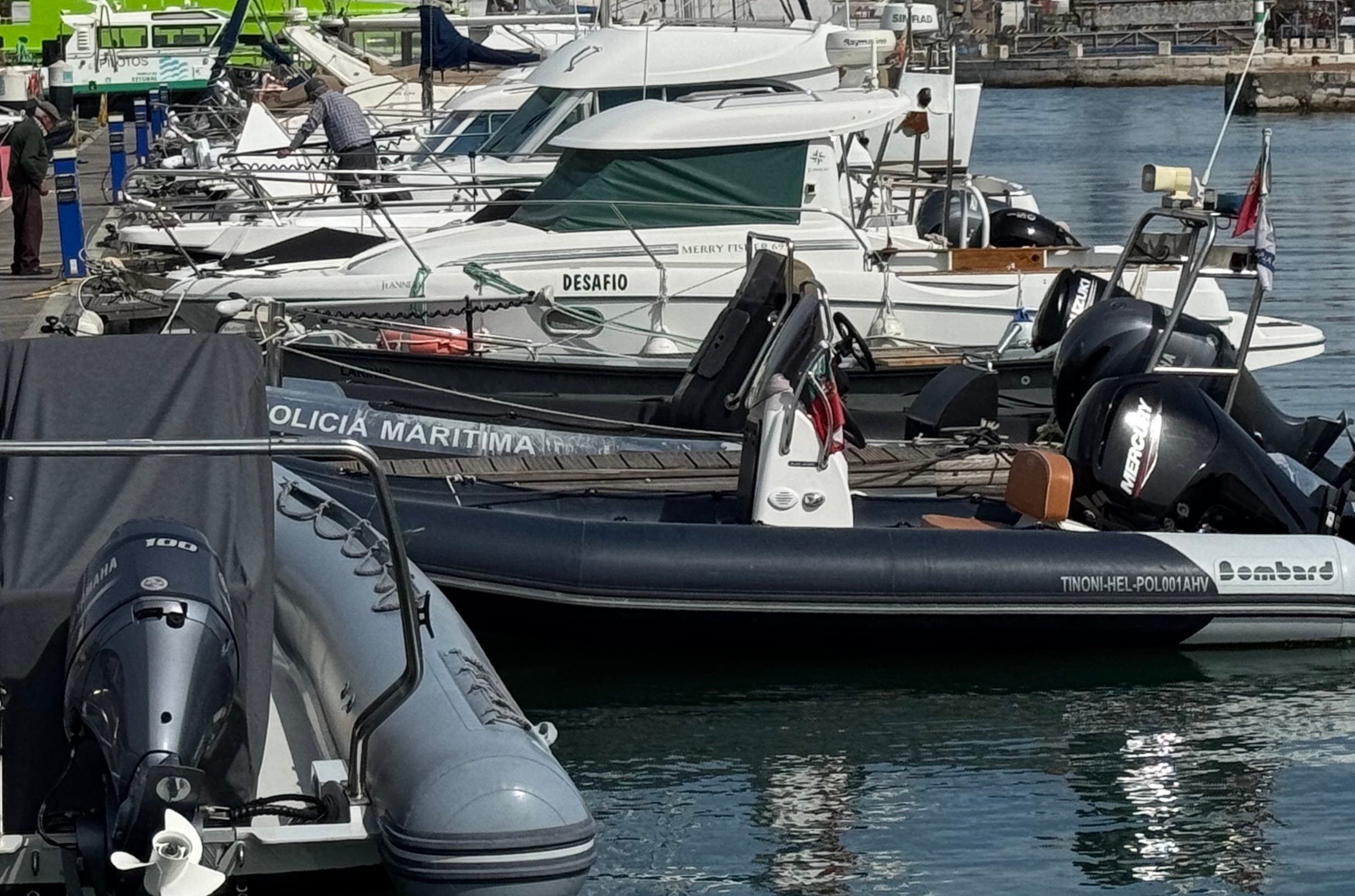
One day, in the same marina as the Libries, docked in a slip next to a polícia maritima barco, was the Desafio.
Thinking it was a cool-sounding word, I typed “desafio” into DeepL to see what it meant. Translation: “challenge.”
A canvas cover protected the Desafio’s windshield from the elements while docked (we had hail this past week). I imagined a galley full of emergency supplies under the deck. To the extent it could prepare, the Desafio was ready to meet its namesake.
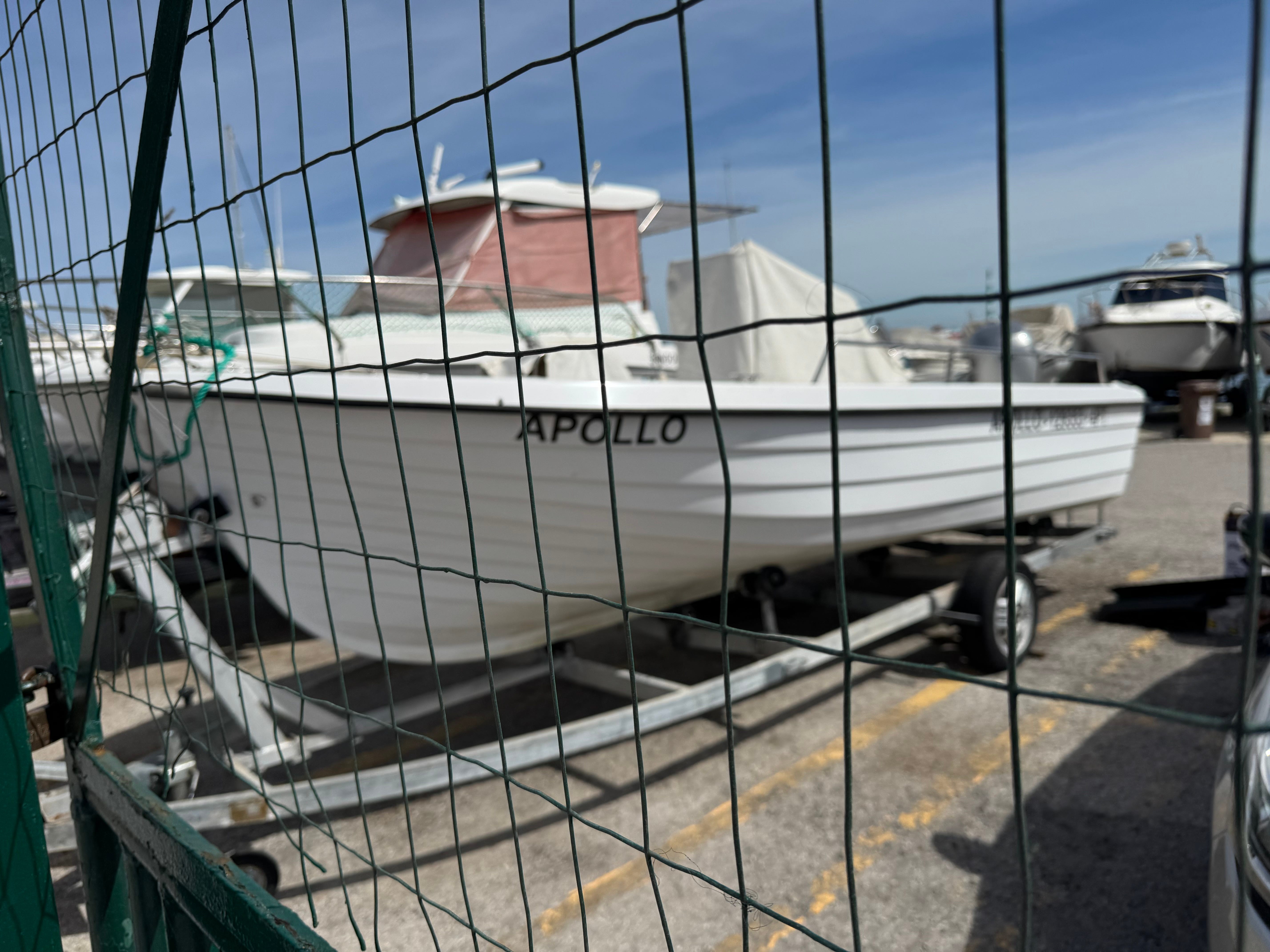
I saw the Apollo around the same time as those astronauts from the United States were circling the moon a few weeks ago, when much of the U.S. came together in beautiful collective astonishment to cheer on a tiny group of other humans on an incomprehensible journey.
I was six years old in 1969 when astronauts walked on the moon for NASA’s Apollo mission. I would have watched it on TV though I don’t really remember, and it inspired the same sense of unity and wonder as last month’s Artemis mission. The sad and empty-looking Apollo behind the fence at the Clube Naval Setubalense seemed a metaphor for how thoroughly America had deteriorated since the promise of the Kennedy years.
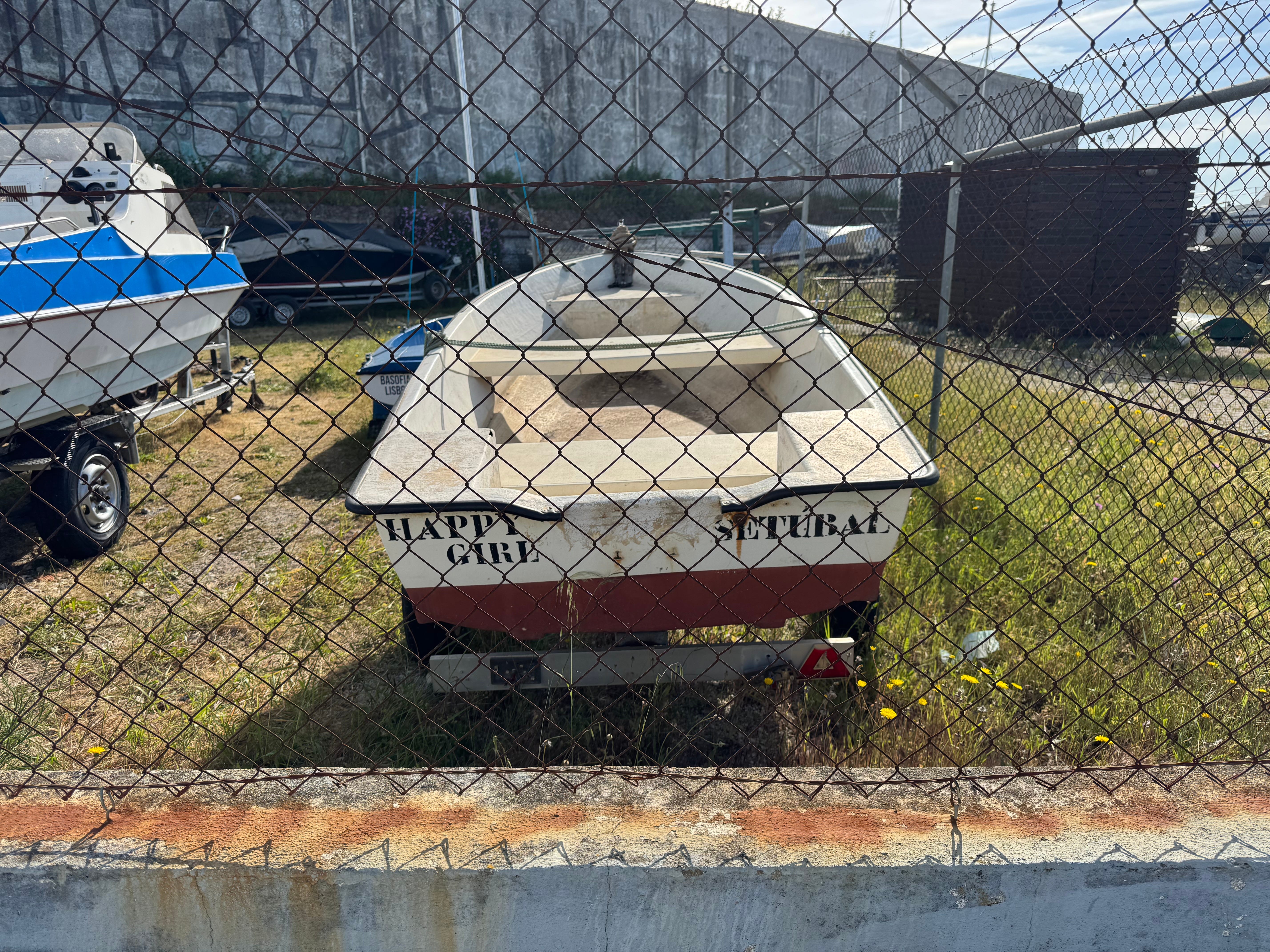
Setúbal does have some boat names in English. I haven’t yet collected thoughts on this phenomenon. Maybe that’s because I assume they’ve been named by English speakers from the UK so I don’t feel qualified to interpret. Or maybe I’m trying to avoid echoes of Smithville Lake.
In any case, I’m sorry to report that Happy Girl looks extremely sad. Someone needs to free her from dry-land jail and get her out on the water imediamente.
Lovely.
The Portuguese tend to use English to make «things» sound more fancy, modern and international... Naming boats, dishes, shops, restaurants, barber shops, dogs, etc. in English is seen/felt as an "upgrade"... Just like adding a possessive 's to a PT business (often misused or misspelled or both) or spelling words using English rules (Tony instead of Toni)... Yup, that's us.