
We are immigrants
Which is one reason I'll no longer call myself an expat.

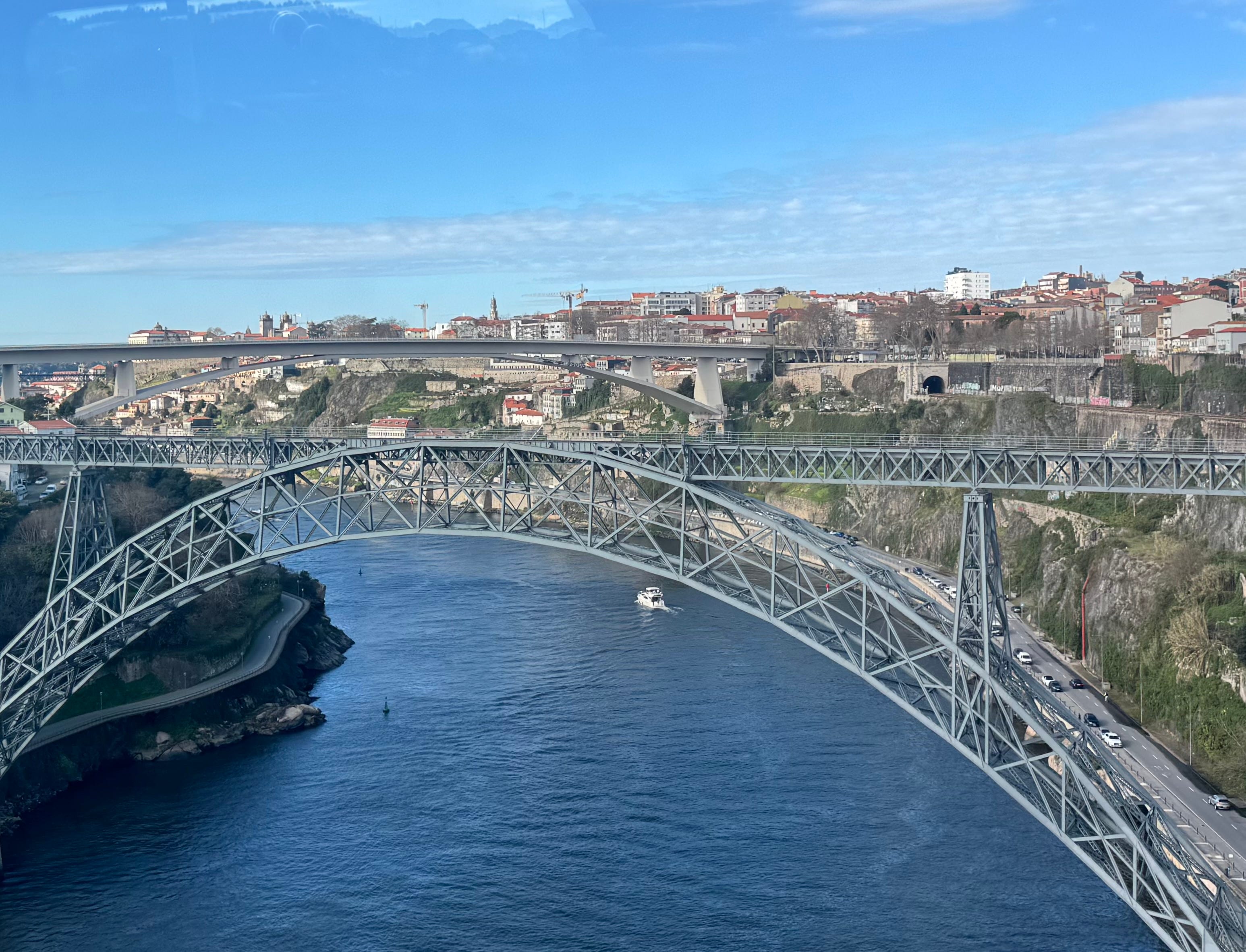
The train ride to Portugal’s second-biggest city was one more leg on a trip we’d been taking for more than a year.
Originally my wife and I were supposed to have gone to a different city, but our meeting with the Portuguese immigration authorities had already been rescheduled once. Our first appointment had been scheduled for Coimbra (a two-hour train ride from where we live in Setúbal), in mid-December. But the immigration agency had sent us emails changing our date to three weeks later in Porto (a four-hour ride from where we live). We were lucky. A lot of people don’t get notice that their appointments have been rescheduled — they show up only to be told to show up again at some later date in another town. By the time we were on the train to Porto in early January, our visas had been expired for five days.
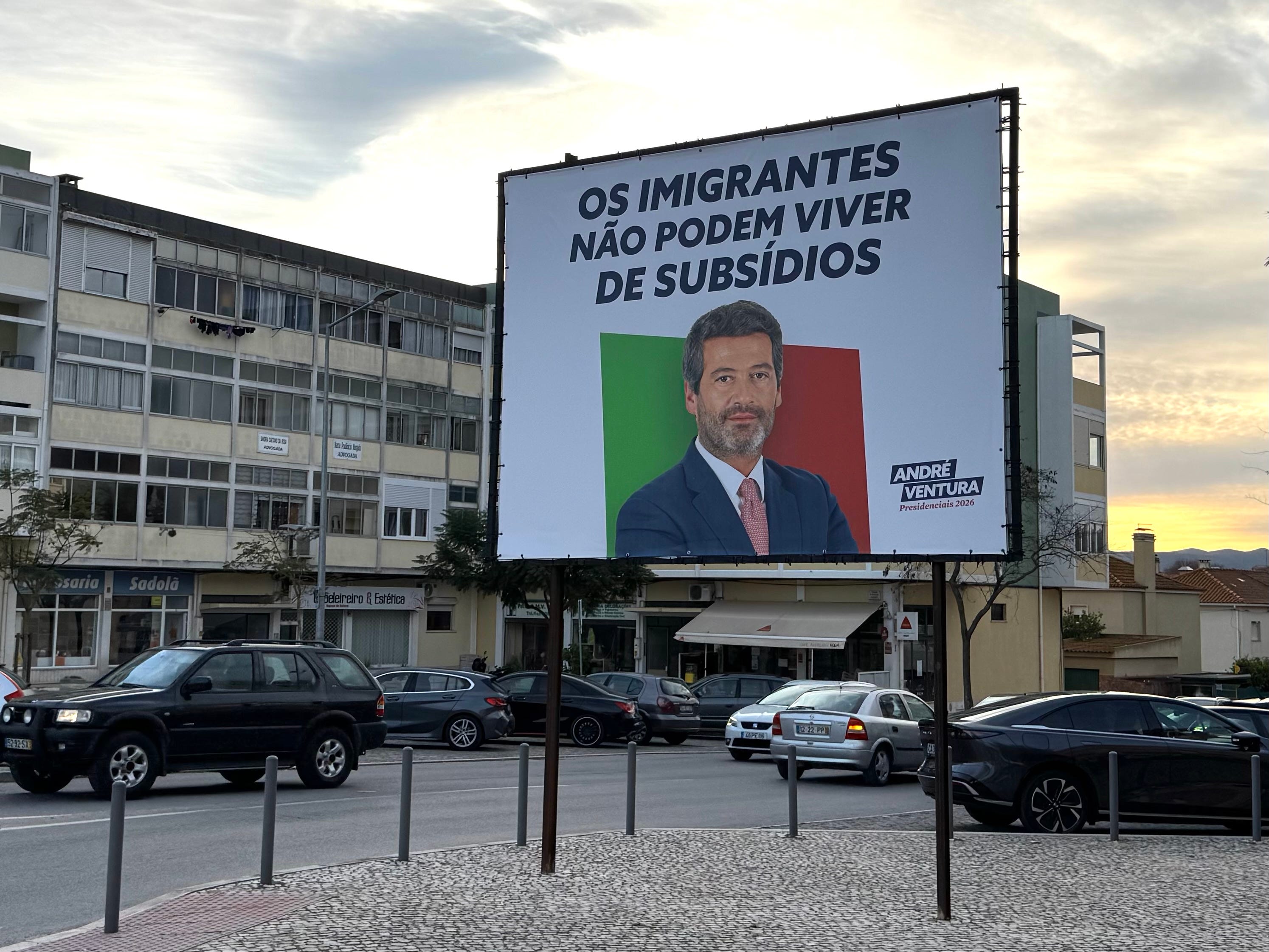
We were on our way to that city’s office of Portugal’s Agência para a Integração, Migrações e Asilo (the Agency for Integration, Migration and Asylum, commonly known as AIMA and pronounced “I’m-uh”). But it was hard to think of ourselves as immigrants. Partly that’s because we’re from the United States, which has toxified and weaponized the word “immigrant” in ways it’s hard to shake. But the same thing was happening here. Eleven candidates were running in the first round of Portugal’s presidential election, with one far-right frontrunner stoking familiar hostilities, blaming immigrants for the country’s problems. I’d started to make some Portuguese friends, and when I told one I was nervous about our upcoming immigration appointments, her response was blunt: “Don’t worry,” she said. “You’re white.”
Most immigrants to Portugal come from places where people have darker skin: Brazil, India and Angola account for the top three countries, followed by Ukraine, Cape Verde, Nepal and Bangladesh. The far-right, anti-immigrant candidate for president made it to the two-person runoff on Feb. 8.
Not only are we white, we’re beyond fortunate. When we decided in November 2024 to move to Portugal, we knew the process was daunting. We would need to prove to the Portuguese government that we had sufficient income to not be a burden on the country’s social infrastructure. We had to secure a place to live in the country before we could even submit our visa applications. We had to have Portuguese tax-identification numbers and bank accounts. The United States’ Federal Bureau of Investigation and Department of State had to certify that we were not criminals. We would have to document all of that and go through the same process twice: first, at the Houston office of a contractor for the Portuguese Consulate that processes applications for visas that would allow us to be here for 120 days, and then, once we were here, at AIMA, for the resident cards we would have to renew every two years. To bankroll all of that, we were fortunate that the low Social Security income we could receive at our earliest possible retirement dates, earned over two lifetimes of jobs, was enough to meet Portugal’s financial threshold. And that we had a house, cars and a pile of stuff we could sell. In all of this, we were fortunate to have supportive family and friends.
“Beyond fortunate” doesn’t fully describe our situation, though. We are also extremely lucky.
We were not crossing an ocean crowded onto an inflatable raft or swimming across a river with a backpack or waiting for years in a camp. We hadn’t suddenly had our temporary protected status revoked by an aspiring dictator in the country where we sought refuge, only to have that country start an illegal war in the country we fled. We were not worried that, when we arrived for legitimately scheduled appointments with the immigration agency, masked agents would arrest us for our five-day-expired visas.
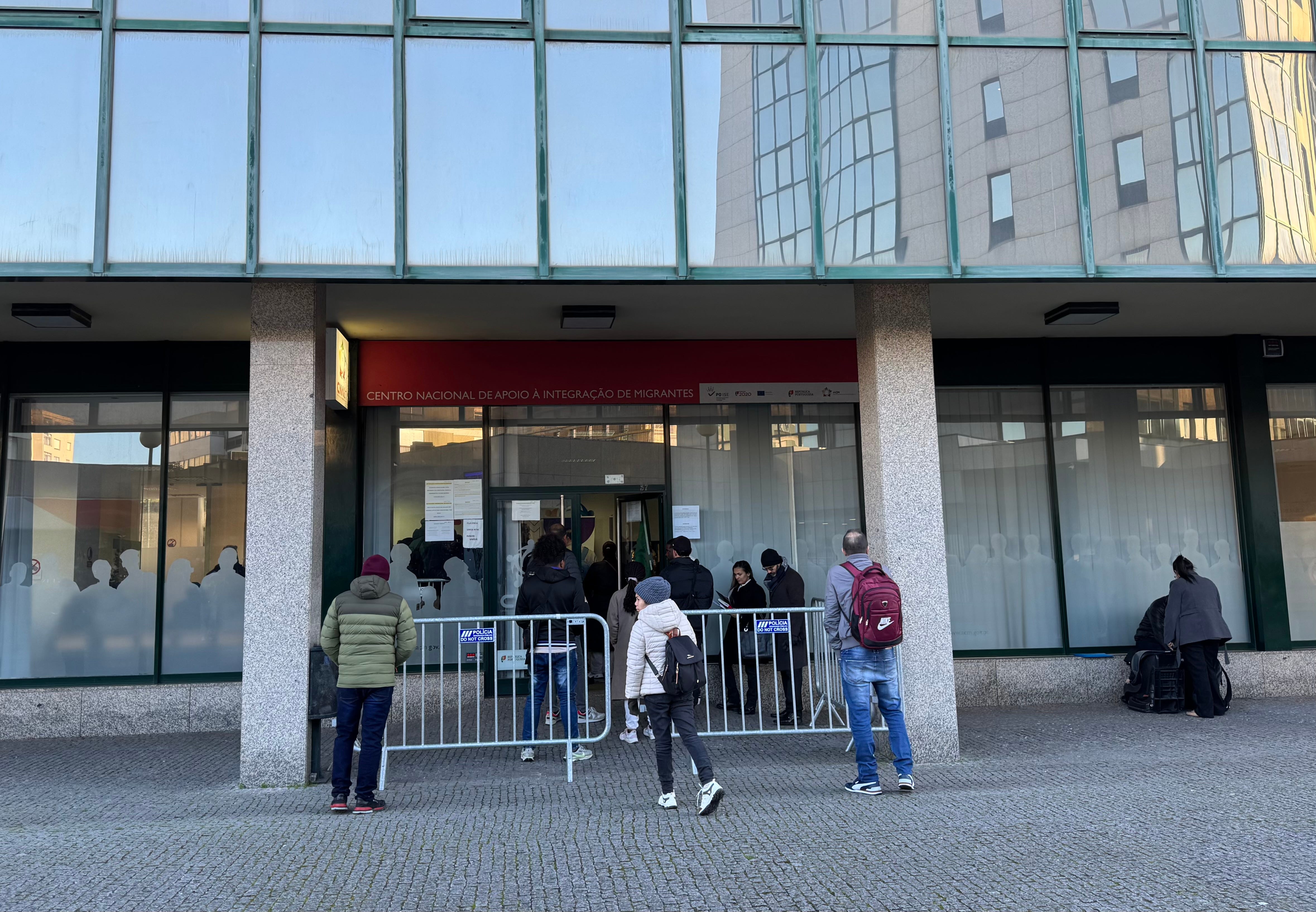
Still, at our meeting in Porto, we were nervous as hell.
We’d spent weeks updating documents to meet new requirements that had been instituted in the months since our initial visa approvals. We knew any missed detail could derail everything. Knowing how prepared we were, and still so nervous, I can’t begin to imagine how hard it must be for people who don’t have similar resources, financial and otherwise, trying to immigrate to anywhere.
When we arrived at Porto’s AIMA office at 8:30 a.m., half an hour early for our appointments, the lobby was already filled with people waiting. When our numbers were called, we went through a maze-like hallway to a room where a dozen agents sat at computers, the chairs in front of them filled with other people who were just like us — though some were not white, some wore clothing of religions other than ours and some had kids with them. I imagine everyone in the room was hoping, like we were, that the agents spoke enough of their language to conduct business accurately and found all documents to be in order, that they had sufficient cash or that their bank cards would be approved to pay the administration fees. Our agent was friendly and efficient as she went through our papers and we held our breath for 45 minutes. For her kindness, and for every stroke of luck we’d had getting us to the moment she stamped our documents and told us we could expect our residence cards within 90 days, we were overcome with gratitude.
It took longer than 90 days for both cards to arrive, but thousands of other people in the Portuguese immigration system have waited longer. Now that our cards have arrived, we’re legit for two years. At which point we’ll need to renew everything, and by then everything could have changed.
We’re grateful to live in a country where voters emphatically elected a center-left Socialist instead of the Trump-wannabe in February’s runoff. But immigration is still a tense topic here. The country has just changed its nationality laws, making it harder for certain types of foreigners to become citizens. Among other changes, foreigners from non-Portuguese-speaking countries (our category) will now have to live here for 10 years rather than five before they can become citizens. We haven’t even been here for a year and it’s too soon to know whether we’d want to become citizens of Portugal, but the change is devastating to others who’ve made life plans based on the five-year law.
Before we moved, only one thing about our future was certain: We knew nothing. We could read all of the guides, have video calls with friends and friends of friends who were here, follow all the social media channels, take online language lessons, get our affairs in order. We could anticipate and plan, but we could not know.
Here’s one of the lowest-stakes things I didn’t know.
When I began writing about our journey almost a year ago and called myself Queer Elder Expat, I was thinking about the early 20th century American expat writers who established themselves in Paris — namely Gertrude Stein and Ernest Hemingway, my earliest writerly influences as a young English major a few lifetimes ago.
I’ve now learned the term “expat” is not cool these days. There’s strong discussion of this elsewhere, but the short version is “expat” connotes a privileged white person with dubious intentions of fully integrating into a new country. “Immigrant,” meanwhile, suggests a person of color the government wants to kick out or prevent from coming in the first place. We are absolutely white people with privileges, but the last thing I want to do is sound like I’m bragging about it in a Substack name. I outgrew Hemingway decades ago. And I haven’t thought much about Gertrude Stein for a while, either, so maybe that relationship needs re-evaluating too.
Everything is subject to revision, I wrote in my first piece here. Today that means the name of this column. Back in November, after three months in Portugal, I wrote about being at peace with the fact that I might never again feel settled. That’s still true. So, with thanks to the friends who helped me workshop ideas, I’ll now be Queer Elder Unsettled. A citizen of the United States, living in a different country, certain of almost nothing.
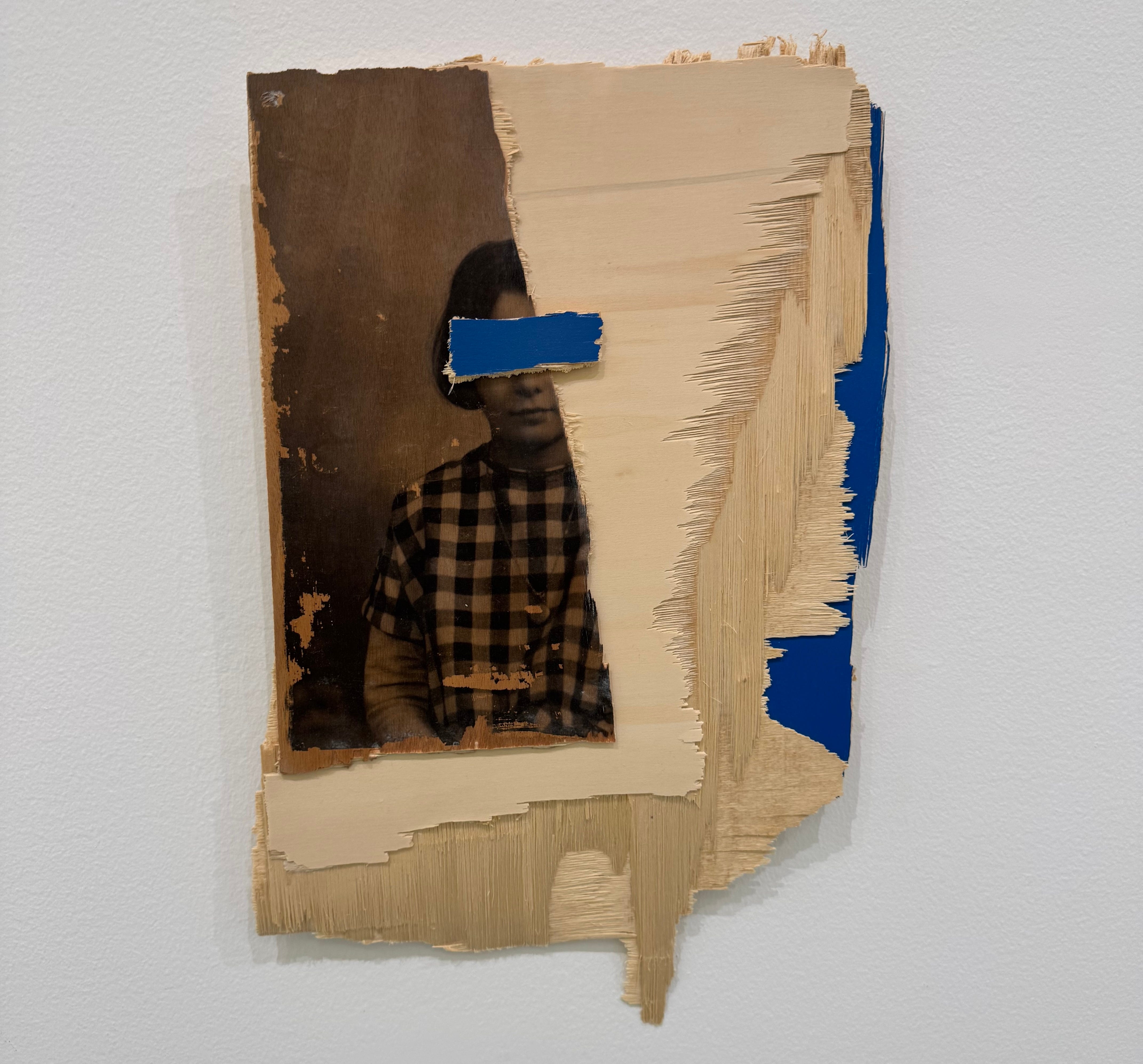
As always, you capture the experience and the emotions well. Thank you for including the image from the A invenção da coragem (o salto) exhibition, as well as the story behind it, which was new to me.
I love this. And you guys. So much!